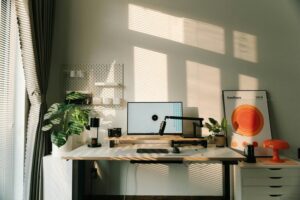
Tips for Creating a Productive Home Office Environment

Creating a productive home office environment is essential for anyone working remotely or managing tasks from home. A well-designed workspace can help improve focus, reduce distractions, and increase overall efficiency. Whether you have a dedicated room or just a small corner, you can make your home office an inspiring and comfortable place to work. Here are some helpful tips to get started.
Choose the Right Location
The first step is selecting a quiet spot with minimal distractions. Ideally, pick a space with ample natural light, as sunlight can boost mood and energy levels. Avoid high-traffic areas in your home where interruptions are frequent. If possible, use a separate room with a door you can close to create a clear boundary between work and home life.
Invest in Comfortable Furniture
Your comfort affects your ability to stay focused. Choose an ergonomic chair that supports your back and promotes good posture. A desk at the right height can prevent strain on your shoulders and wrists. If space allows, consider a sit-stand desk, which lets you alternate between sitting and standing to reduce stiffness.
Organize Your Workspace for Efficiency
A tidy workspace helps reduce stress and distractions. Use storage solutions like shelves, filing cabinets, or drawer organizers to keep your desk clutter-free. Keep only the essentials within reach, such as your computer, notebook, and pens. Cable management tools can organize cords and prevent tangling.
Optimize Lighting
Lighting plays a key role in productivity. Natural light is best, but supplement it with quality artificial lighting to avoid eye strain. A desk lamp with adjustable brightness can help you focus on tasks without harsh shadows. Position your monitor to reduce glare from windows or overhead lights.
Minimize Noise and Distractions
Noise can disrupt your concentration, so find ways to reduce it. Use noise-cancelling headphones or play ambient music or white noise if it helps you focus. Inform family members of your work schedule to minimize interruptions during important tasks or meetings.
Personalize Your Space
Adding personal touches can make your office inviting and motivating. Photos, artwork, or plants can brighten the atmosphere and improve your mood. Choose items that inspire you but avoid cluttering the space, keeping it conducive to work.
Use Technology Wisely
Make sure your computer and internet connection are reliable. Organize digital files and apps to streamline your workflow. Use productivity tools like calendars, task managers, or note-taking apps to stay on top of your responsibilities. Avoid keeping too many open tabs or unnecessary apps that can pull your attention away.
Establish a Routine and Boundaries
Having a daily routine helps maintain productivity and work-life balance. Set regular work hours and stick to them. Start your day with a clear plan of tasks and take scheduled breaks to rest and recharge. Avoid working from bed or couch to reinforce the distinction between relaxation and work.
Keep Your Office Clean and Fresh
Regularly clean your office space to maintain a healthy environment. Dust and clutter can affect air quality and mood. Open windows when possible to let fresh air circulate. Incorporate some greenery with low-maintenance plants that can improve air quality and create a calming effect.
Final Thoughts
Creating a productive home office environment takes some planning and intentional choices. By selecting the right location, organizing thoughtfully, and maintaining a balance between comfort and functionality, you can design a workspace that supports your best work. Remember that small changes can make a big difference in how motivated and focused you feel throughout the day. Try these tips and adjust them to suit your personal needs and preferences for an efficient home office setup.