Tips for Designing a Cozy and Productive Home Office Space
Designing a home office that feels both inviting and efficient can greatly enhance your work-from-home experience. Whether you have a dedicated room or a small corner in your living space, thoughtful design can boost your productivity while keeping you comfortable throughout the day. Here are some tips to help you create a cozy and productive home office space.
Choose the Right Location
Start by selecting a spot in your home that minimizes distractions and has enough natural light. Ideally, this space should be quiet and away from high-traffic areas to help you focus.
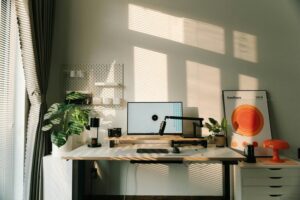
– Consider natural light: Position your desk near a window if possible. Natural light can improve mood and reduce eye strain.
– Quiet corners: Try to pick a space that is shielded from household noise like television or kitchen activity.
Invest in Ergonomic Furniture
Comfort is key when designing your workspace. Ergonomic furniture supports good posture and prevents fatigue, helping you stay productive longer.
– Ergonomic chair: Opt for a chair with lumbar support, adjustable height, and comfortable padding.
– Desk height: Ensure your desk height allows your arms to rest comfortably at a 90-degree angle.
– Monitor placement: Position your computer screen at eye level to avoid neck strain.
Use Soothing Colors and Personal Touches
Choosing the right colors and decorations can make your home office feel cozy and welcoming without overwhelming the space.
– Color palette: Soft, neutral colors like light blues, greens, or warm grays promote calmness and focus.
– Personal decor: Add items that inspire you, such as artwork, plants, or meaningful photos, but keep it minimal to avoid clutter.
– Textiles: Consider adding a cozy rug or comfortable cushions to soften the room’s ambiance.
Organize with Purpose
An organized workspace reduces stress and saves time by making it easier to find what you need.
– Storage solutions: Use shelves, drawers, or filing cabinets to keep documents and supplies tidy.
– Desk organizers: Small trays or containers can hold pens, paperclips, and other small items.
– Cord management: Tidy up cables with clips or cable sleeves to keep your desk neat.
Prioritize Lighting
Good lighting is essential for a productive workspace to reduce eye strain and keep you alert.
– Layered lighting: Combine natural light with task lighting and ambient lighting.
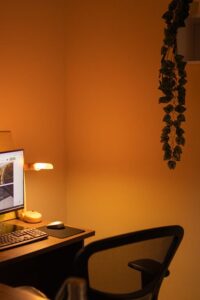
– Desk lamp: Use an adjustable desk lamp with warm white light to illuminate your work area without glare.
– Avoid screen glare: Position lights so they do not create reflections on your computer screen.
Incorporate Greenery
Plants not only add a pop of life to your office but also improve air quality and create a calming atmosphere.
– Low-maintenance plants: Choose easy-care plants like succulents, snake plants, or pothos.
– Placement: Place plants near your desk or on shelves to make the space more inviting.
Set Boundaries Between Work and Home
Creating a physical and psychological boundary helps maintain work-life balance when working from home.
– Defined workspace: Keep your work materials confined to a specific area to separate work time from personal time.
– End-of-day routine: Develop a habit to “close” your office space at the end of the workday, such as shutting your laptop or closing a door.
Keep Technology Up to Date
Ensure your tech setup supports your work smoothly without frustration.
– Reliable internet: A strong Wi-Fi connection reduces interruptions.
– Necessary accessories: Invest in quality headphones, keyboards, or external monitors if needed.
– Cable organization: Keep device chargers and cables organized to prevent clutter.
Maintain Cleanliness and Fresh Air
A clean and well-ventilated space helps keep your mind clear.
– Regular cleaning: Dust surfaces and clean your workspace frequently.
– Ventilation: Open windows when possible or use an air purifier to keep the air fresh.
Final Thoughts
Designing a cozy and productive home office combines comfort, organization, and functionality. By paying attention to your environment—from lighting and furniture to color choices and storage—you can create a space that supports your well-being and work goals. With these tips, your home office can become a place you enjoy spending time in and where you do your best work.